

What Not to Put in a Storage Unit
What not to put in a storage unit? This article covers the essential items you should absolutely avoid storing in a storage facility. From legal troubles to safety hazards and practical concerns, we’ll help you understand why some things just don’t belong in storage. At Armored Self Storage, we prioritize the safety and security of your belongings, and we’re here to guide you on what items should be kept out of storage units.
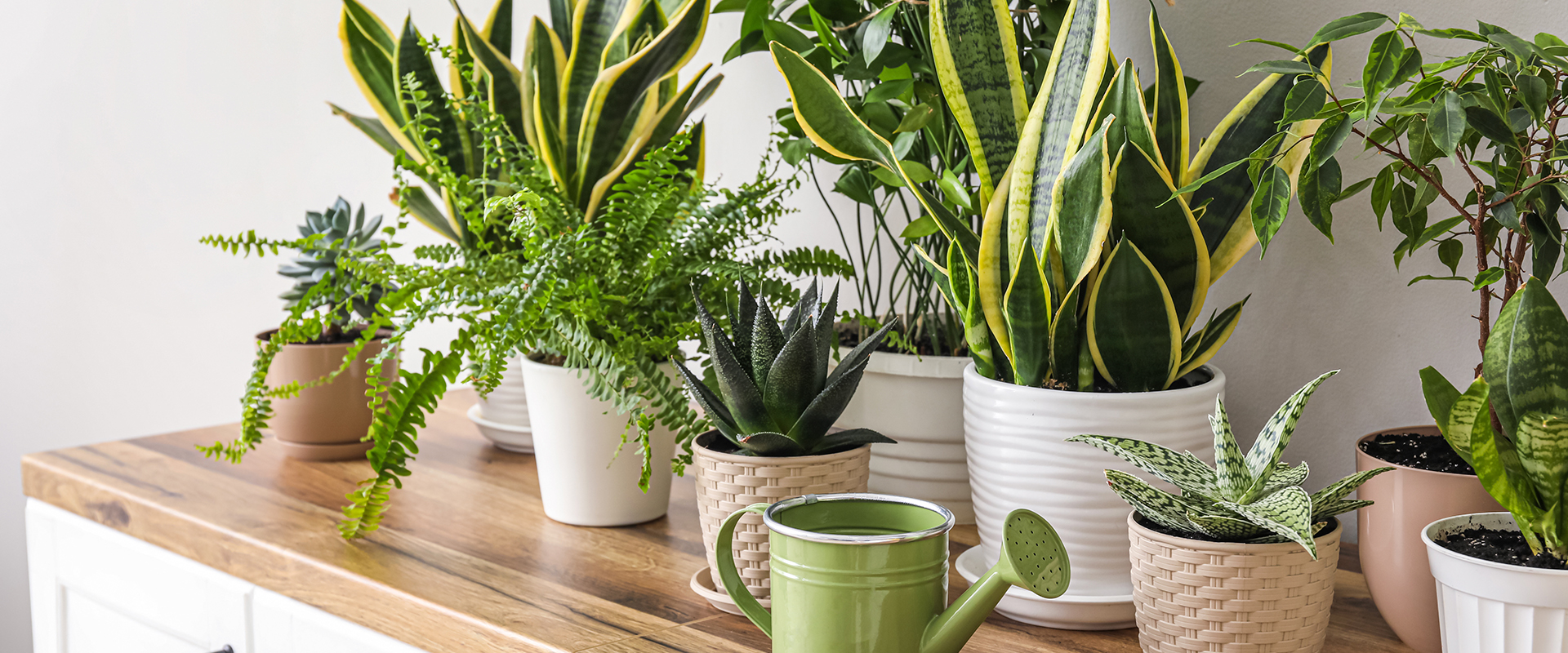
1. Living Things and Plants
Consider this scenario: you need to find a temporary home for your cherished houseplants or maybe even a small pet. A storage unit may appear a handy solution, yet it’s far from perfect. Such units are not intended to serve as a habitat for people, pets, or plants. In fact, it’s against the law to use them as such. They lack the essential elements that living things need, like fresh air and light.
Imagine the fate of a plant left in a dark, climate-controlled unit. Without light, it would quickly wither and die. The same goes for live animals; they need constant care and a proper environment to thrive, which a storage unit simply cannot provide. Besides, it’s not only impractical but also illegal to keep live animals in these units.
Therefore, when you’re pondering over a place to store something living, keep in mind that a storage unit doesn’t fit the bill. Opt for an arrangement better suited to maintain your plants’ and pets’ well-being.
2. Perishable Items
Recall the moments when you had surplus food that you didn’t want to waste. The idea of storing it in a storage unit may have crossed your mind, but can you store food in a storage unit? Perishable items, such as meat, dairy, or any other food that can spoil, are a big no-no. These items can attract pests and create a smorgasbord of problems, including mold and mildew.
Think about opening your storage unit to find it overrun with insects and a stench that’s impossible to ignore. Yikes! This is exactly what can happen if you store perishable goods. Not to mention, the extreme temperatures in non-climate controlled units can cause food to spoil even faster.
Hence, when considering storage options, ensure the items you put in a storage are non-perishable and ideally packed in tightly sealed containers to prevent unwanted guests or unpleasant surprises. It’s wise to choose shelf stable food items for this purpose.
3. Strong Smelling Items
In continuation of the topic of unwanted surprises, pungent items can become a genuine nightmare in storage units. Have you ever opened a space to be greeted by an overpowering odor? Strong odors can attract pests, making your storage unit a hotspot for infestations. Items like spices, scented candles, or even containers of non-perishable goods should be kept out of storage units.
If you must store items with strong scents, make sure to place them in airtight containers. This can help contain the smell and reduce the risk of attracting pests. However, the best solution is to avoid storing such items altogether.
Take note, a storage unit that smells fresh is a happy one. By keeping out fragrant items, you ensure your belongings stay in prime condition and free from pests.
4. Cash and Valuables
In the context of valuables such as cash, jewelry, or critical documents, a storage unit does not provide the highest security. Storing cash and currency in a storage unit is highly discouraged due to safety concerns. Instead, consider using a bank, safe, or safe deposit box for such items.
Think about it: your priceless and irreplaceable items deserve better protection than a storage unit can provide. Items like:
- currency,
- deeds,
- securities, and
- precious metals
should be stored securely at home or in a bank. Even passports, social security cards, and tax documents are better kept in a fire-safe box at home.
Selecting the appropriate storage options for your valuables guarantees their safety and provides you with peace of mind.
5. Hazardous Materials
Prioritize safety! Storage units strictly prohibit hazardous materials, and rightly so. Items like:
- flammable liquids,
- toxic waste,
- car batteries, and
- paint thinner
pose significant safety risks and are not allowed in storage units. These materials require specialized containment and should be kept far away from storage facilities.
Imagine the potential disaster of a fire or chemical spill in a storage unit. The cleanup costs alone can be astronomical, sometimes exceeding $250,000. Not to mention, storage companies are legally responsible for ensuring that hazardous materials are not stored in their units. Federal and state laws mandate that self-storage rental agreements prohibit the storage of hazardous or toxic materials.
To sidestep any legal complications or safety hazards, ensure proper disposal of hazardous materials before contemplating storage.
6. Firearms and Ammunition
Firearms and ammunition also make the list of items typically not allowed in storage units. Due to liability and safety concerns, most storage facilities do not permit the storage of weapons. This includes firearms and ammunition, which can pose significant risks if not stored correctly.
While some states may have regulations that allow firearm storage, many do not. Always verify your storage facility’s specific rules regarding firearm storage, even if it’s legal in your state. The potential instability and safety hazards associated with storing ammunition make it a bad idea to keep these items in storage units.
To ensure everyone’s safety, seek alternate storage solutions for your firearms and ammunition.
7. Illegal Items and Stolen Property
This point is self-evident: storage units strictly forbid the storage of illegal items or stolen property. Not only is it illegal, but it can also lead to serious criminal charges. Self-storage companies often work closely with law enforcement to prevent the storage of illegal items in their facilities.
So, if you have any illegal substances or stolen goods, a storage unit is not the place to hide them. The consequences of being caught can be severe and far-reaching. It’s always best to stay on the right side of the law and avoid storing anything that could land you in hot water.
8. Wet or Dirty Items
Have you ever contemplated storing damp or unclean items in a storage unit? Reconsider. Storing such items can lead to mold growth, causing significant damage to your belongings. Dirty items are also more likely to wear down, stain, or become grimy over time.
To protect your personal belongings, ensure they are clean and dry before storing them. This includes items like:
- Washers
- Dryers
- Refrigerators
- Furniture
A clean and dry self-storage facility, managed by a reliable storage company, can help ward off infestations and keep your stored items in good condition, especially when using a well-maintained self-storage unit with ample storage space.
9. Nonoperational Vehicles
While stowing a car in a storage unit might appear an appealing idea, it’s not advisable for nonoperational vehicles. Vehicles must be registered, insured, and fully operational to be eligible for storage. Unregistered or uninsured vehicles cannot be stored in a storage unit.
When considering vehicle storage, be prepared to provide proof of registration and insurance. The average monthly cost for vehicle storage is approximately $206. Make sure your vehicle meets the necessary requirements before storing it to avoid any issues.

10. Electronics and Sensitive Items
Electronics, along with other delicate items, necessitate special attention during storage. Climate-controlled storage units are the best option for these items, as they maintain consistent temperature and humidity levels. Extreme weather and temperature shifts can easily damage electronics.
To protect your electronics, consider using original packaging and plastic containers with silica gel packets to prevent moisture damage. Humidity control is crucial to keep your sensitive items in good condition.
Adopting these preventative measures guarantees the safety and functionality of your electronics during storage.
Vital Storage Advice
In summary, knowing what not to store in a storage unit is just as important as knowing what to store. From living things and perishable items to hazardous materials and illegal goods, there are many items that should never find their way into a storage unit. By following these guidelines, you can protect your belongings and ensure the safety of your storage space.
Remember, a little knowledge goes a long way in making informed decisions about your storage needs. Keep these tips in mind, and you’ll be well on your way to a hassle-free storage experience.