
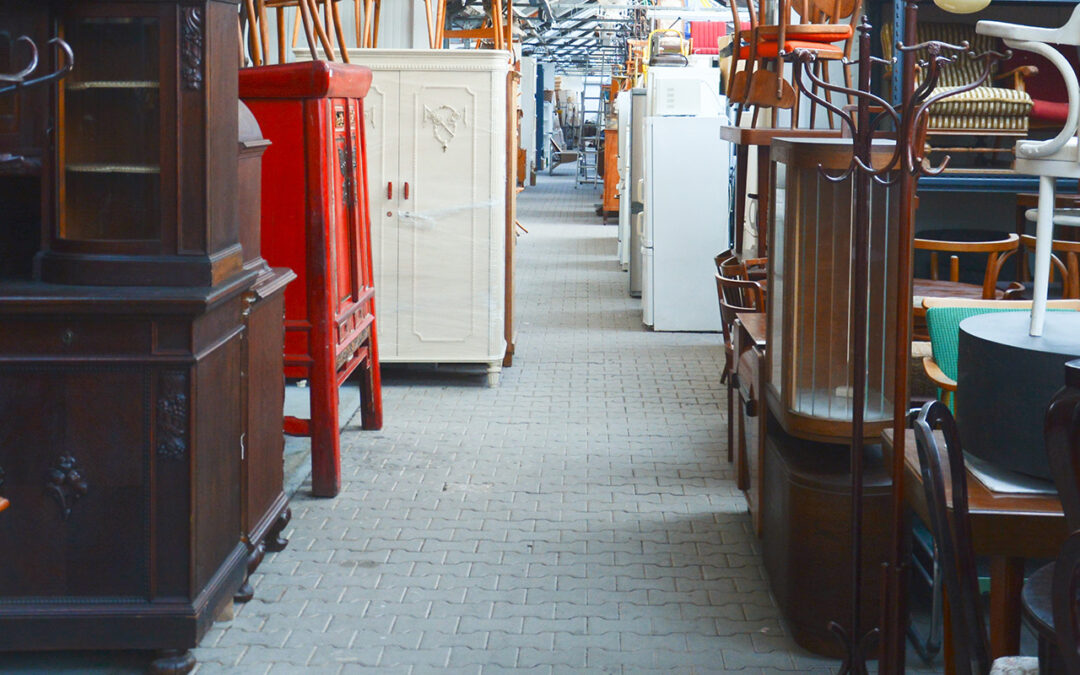
Optimal Tips on How to Store Antique Furniture
Storing antique furniture properly is crucial to preserve its value and condition. This article from Armored Self Storage will guide you through steps such as documenting, cleaning, disassembling, wrapping, selecting climate-controlled storage, and arranging it correctly, including how to store antique furniture effectively.
Inventory and Document Your Antique Furniture
Before storing your antique furniture, create a detailed inventory. This involves more than just making a list; it’s about capturing the essence of each piece. List all your antiques, noting their measurements, descriptions, and taking high-quality photos. This will serve as a reference point and help you keep track of all your valuable items.
Consider obtaining appraisals for each piece. Knowing the value of your antique furniture not only provides peace of mind but also helps ensure proper insurance coverage. Including receipts and certificates with these appraisals strengthens the documentation and provides a comprehensive history of each item.
Detailed descriptions help in understanding the unique features and historical context of your antiques. This might include information about the furniture’s origin, materials used, and any distinctive marks or craftsmanship details. Having this information at hand is invaluable, especially if you ever need to verify the authenticity or value of your pieces.
Clean and Prepare Your Antique Furniture
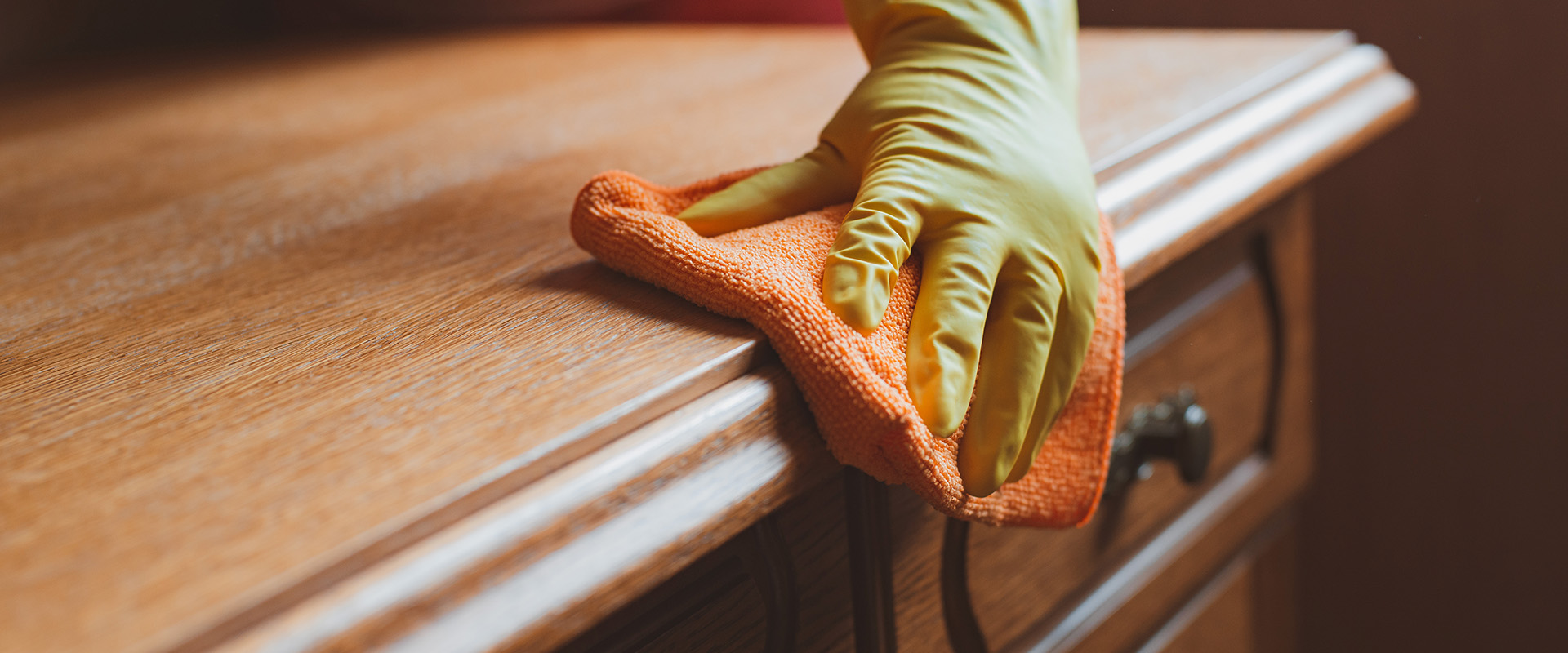
After documenting your antiques, clean and prepare them for storage. Cleaning antique furniture protects it from potential damage. Remove any dust or dirt using a soft cloth with warm water and mild detergent. For wooden furniture, avoid using water directly, as moisture can lead to warping. Instead, treat the wood with wax and polish to protect its surface.
Leather furniture requires special attention. Apply a leather conditioner regularly to maintain its flexibility and avoid dehydration. Wipe down metal parts with oil to create a protective barrier against rust and corrosion.
Mix distilled white vinegar with oil when cleaning mildew from wooden furniture, as this combination is effective and gentle on the wood. Proper cleaning prevents damage from dust, mold, and other environmental factors. Taking the time to clean and prepare each piece ensures it remains in good condition during storage, preserving its value and beauty for years to come.
Disassemble Larger Furniture Pieces
Disassembling larger items reduces the stress on joints and makes storage more manageable. If your antique furniture has removable parts, carefully take them apart. This not only protects the furniture but also makes it easier to navigate and store. However, only attempt to disassemble parts designed to be removed. Forcing components apart can lead to damage, so if you’re unsure, it might be best to keep the furniture in one piece.
Once disassembled, store the small components in labeled bags. This makes reassembly much easier when you’re ready to bring the furniture out of storage. Proper organization and labeling ensure that nothing gets lost and make putting everything back together as smooth as possible.
Wrap and Protect Each Piece
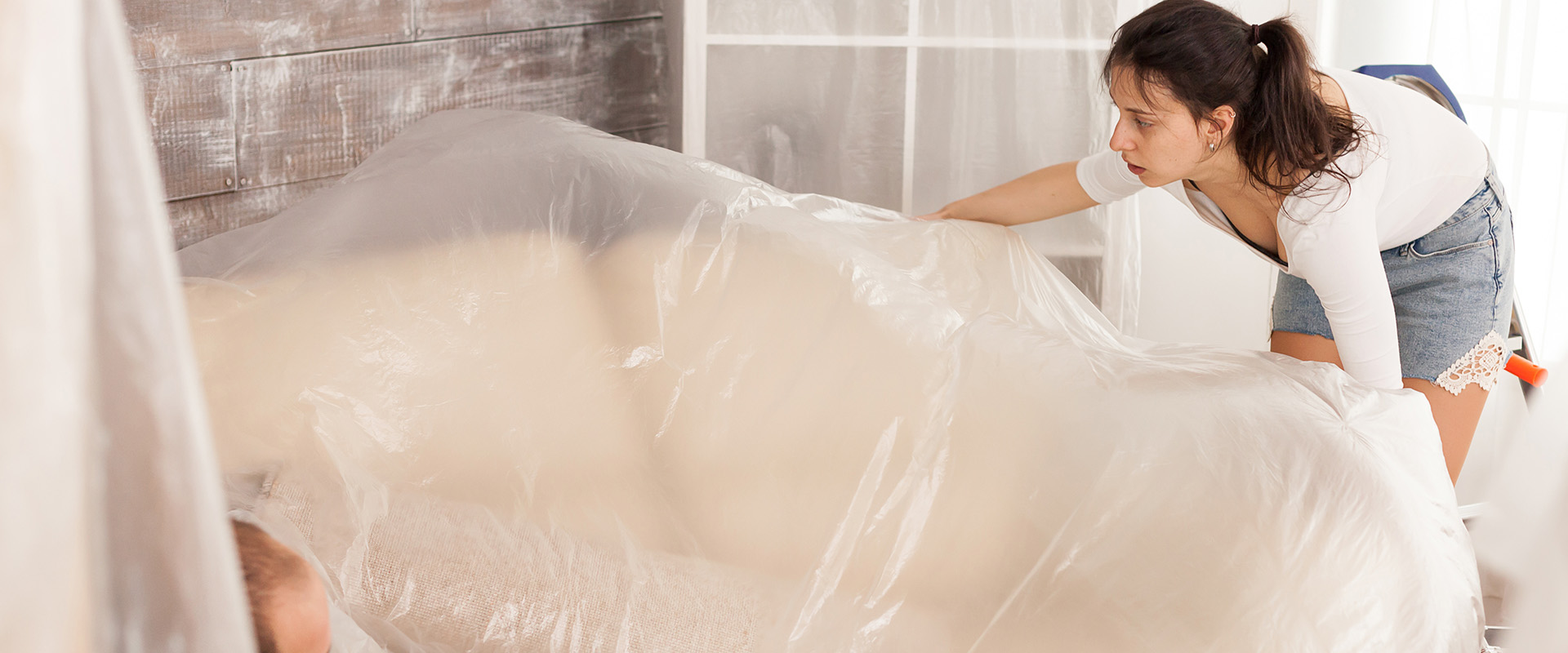
Protecting your antique furniture during storage prevents damage from dust, elements, and critters. Begin by inspecting each piece for cracks and weak points. Address these issues before storing to prevent further damage. Wrap each piece using protective materials like furniture pads and cloth covers, which provide a cushion and shield against scratches and other physical damage.
For added protection, place the wrapped furniture in boxes that fit snugly. Use cushioning materials like acid-free tissue paper and bubble wrap to fill any gaps and ensure the pieces don’t move around. Adding an additional protective layer is vital, especially for items that are more vulnerable to harm.
Wrapping furniture for storage protects it from physical damage and shields it from dust and environmental factors. These precautions ensure that your antiques remain in excellent condition, ready to be displayed once again when the time comes.
Choose a Climate-Controlled Storage Unit
Selecting the right storage unit is crucial for preserving your antique furniture. A climate-controlled storage unit protects your pieces from extreme temperatures and humidity fluctuations. High humidity levels can lead to mold, mildew, and warping, which can severely damage your antiques.
Maintaining a consistent temperature between 68 and 75 degrees Fahrenheit is ideal for preserving wooden furniture. This temperature range helps prevent the wood from expanding and contracting, which can cause cracks and other damage. Additionally, elevate furniture with legs off the ground to promote airflow and prevent moisture damage.
Investing in a climate-controlled storage unit or a self storage unit might seem like an extra expense, but it’s a small price to pay for the protection and longevity of your valuable antiques. Proper storage conditions are key to maintaining the integrity and beauty of your furniture over the long term.
Proper Placement in Storage
How you place your furniture in storage can significantly impact its condition over time. Elevate your pieces off the ground using wooden pallets or shelves. This prevents moisture absorption and promotes airflow, both crucial for maintaining the condition of your antiques. Ensuring adequate space between items allows for proper ventilation and helps prevent mold growth.
Avoid stacking furniture, as this can lead to damage. Instead, use breathable materials to cover each piece, allowing air to circulate while protecting it from dust and other environmental factors.
Proper placement in storage involves more than just fitting everything into the space; it’s about creating an environment where your antiques can remain in pristine condition.
Regular Maintenance and Checks
Even after your antique furniture is safely stored, regular maintenance and checks are essential to ensure it remains in optimal condition. Check on your stored furniture monthly to monitor for issues like changes in humidity levels or signs of mold and mildew.
During these checks, look for signs of pest infestations, which can threaten the condition of your antiques. Assess the overall finish of the furniture to ensure there are no signs of deterioration. If you notice any issues, take immediate action to remedy the problem and maintain the furniture’s condition.
Finding the Right Storage Location
Finding the right storage location is crucial for preserving the value of your antique furniture. A climate-controlled storage unit with strong security features is essential. Look for facilities with temperature control, humidity control, lights, cameras, and gated access.
Ensure the storage space is large enough to fit your furniture without stacking, as this can lead to damage. Consider factors like temperature, humidity, and security features to ensure the safety of your antique furniture storage.
Choosing the right storage location is an investment in the longevity and preservation of your valuable antique storage.
Ensuring the Longevity of Your Antique Furniture
Properly storing antique furniture is a meticulous process, but it’s worth the effort to preserve these timeless pieces. From documenting and cleaning to selecting the right storage unit and regular maintenance, each step plays a crucial role in ensuring your antiques remain in pristine condition.
By following these guidelines, you can protect the beauty and value of your antique furniture, keeping it safe for future generations to enjoy. Remember, the care you give today will pay off in the years to come.