

How To Pack for Your Next Move
Packing for a move can be tough, but the right approach makes it manageable. This guide from Armored Self Storage covers everything: starting early, decluttering, gathering supplies, and packing room by room. You’ll learn how to protect fragile items, label boxes, and create an essentials box for your first days in your new home.
Start Packing Early
Starting the packing process early reduces stress and makes the move smoother. Think of packing as a marathon, not a sprint. Beginning two months before your moving date allows ample time to organize and pack without the last-minute rush. Allocating more time than you think you’ll need is always better. You’d be surprised how quickly time flies when you’re wrapping up fragile items and taping up boxes.
A timeline and checklist help stay on track and avoid the chaos that often accompanies moving. Break down your tasks week by week, focusing on different rooms or categories of items. By breaking packing into smaller sections, the process feels manageable. Starting early and planning ahead makes a significant difference.
The earlier you start packing, the smoother your moving experience will be. It’s not just about putting things in boxes; it’s about doing it in a way that ensures you know where everything is and can find it easily when you get to your new place. So, grab a few boxes and begin packing now. You’ll thank yourself later!
Declutter and Donate
One of the first steps in your packing journey should be decluttering. Start decluttering immediately to make your packing process smoother. This step is essential for assessing your belongings and deciding what you truly need to take with you. Purging unnecessary items saves space in the moving truck and reduces the overall effort needed to pack and move.
Go through all your belongings before you even start packing. Organize your items into four piles: one for things you want to keep, one for items to donate, one for things to sell, and one for items to toss. This method streamlines your packing process and ensures you don’t waste time and materials on unnecessary items. Consider using platforms like Facebook Marketplace to sell items and local buy nothing groups to donate. Not only will you lighten your load, but you’ll also be doing a good deed.
Decluttering also saves space in your new home. There’s nothing worse than arriving at a new place only to realize you have more stuff than storage space. By getting rid of unnecessary items beforehand, you ensure that your new home will have empty spaces just as organized and clutter-free as you envision.
Grab those trash bags and start purging—your future self will thank you!
Gather Essential Packing Supplies
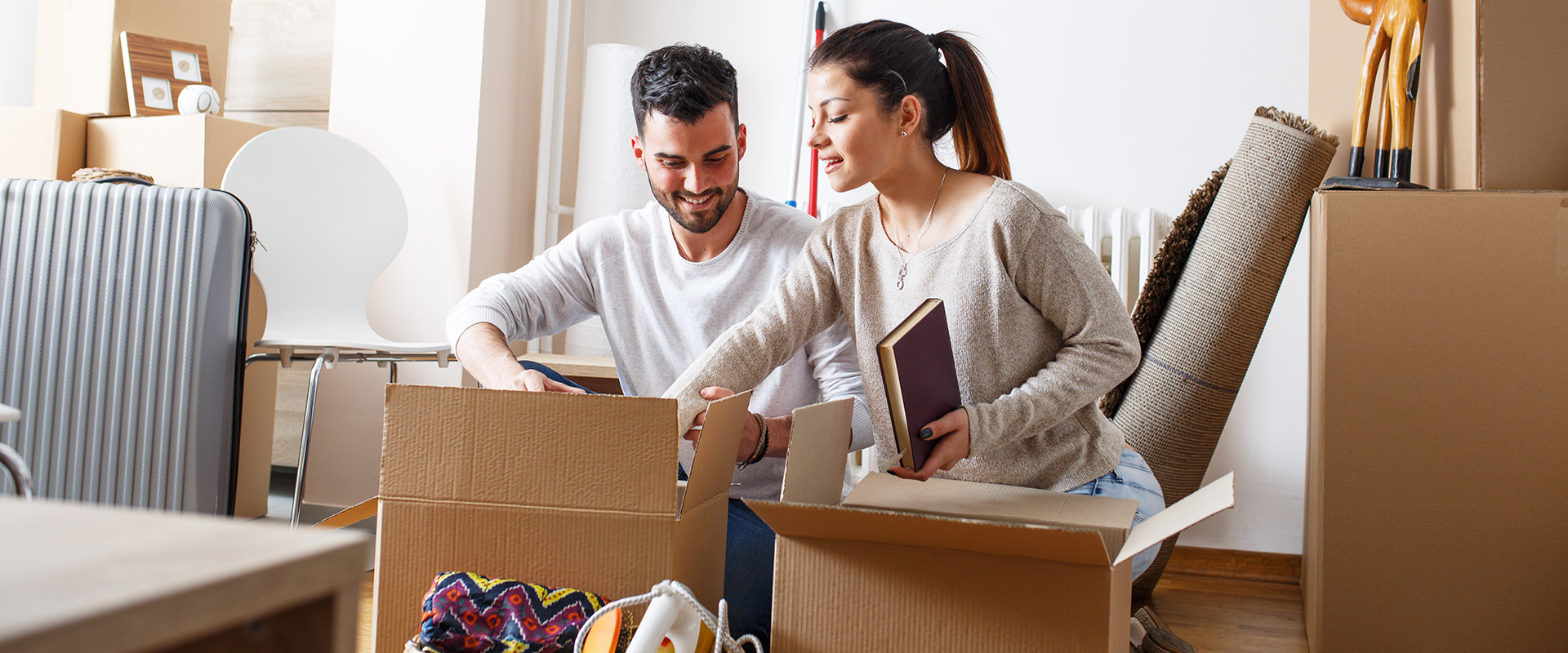
After decluttering, gather your packing supplies. Using the right materials can greatly improve the packing process. You’ll need a variety of packing supplies such as packing tape, packing boxes of various sizes, bubble wrap, and packing paper. Packing tape secures your boxes, ensuring they stay closed during transit.
Cardboard boxes of different sizes are crucial for packing various items effectively. Small boxes are great for heavy items like books, while larger ones can hold lighter, bulkier items. Packing paper is perfect for wrapping fragile items, and bubble wrap adds an extra layer of protection. Pick up some furniture covers and pads to prevent scratches and damage during the move.
You can order your moving supplies online—many sites offer a range of boxes and other packing materials. Having all supplies at your fingertips helps you stay organized and efficient. So, stock up on those packing supplies early, and you’ll be ready to tackle the packing process head-on.
Pack Room by Room
A room-by-room approach can save many headaches during packing. Start with the least-used rooms and move towards the frequently used ones. Packing infrequently used items first prevents last-minute chaos. This allows you to pack without disrupting daily life.
Start with non-essential items like decor and holiday items. These can be packed away without causing too much disruption. Group similar items together, such as bathroom toiletries in one box and kitchen gadgets in another. This methodical approach makes unpacking at your new home much simpler and more organized.
Remember to use packing tape to secure your boxes and packing paper to protect fragile items. The goal is to make the packing process efficient and stress-free. By tackling one room at a time, you’ll find that packing becomes a more manageable task, and you’ll be less likely to feel overwhelmed.
Label Boxes Clearly
Clear labels on boxes save time and energy during unpacking. Each box should be labeled with its contents and the room it’s destined for. Clear labels help movers place boxes correctly, streamlining the unpacking phase.
A comprehensive labeling system includes the destination room and specific contents, not just general descriptions. For example, instead of labeling a box as “kitchen,” label it as “kitchen: everyday plates and bowls.” This way, you’ll know exactly where to find your essentials when you need them. Color coding boxes by room enhances organization.
Do not mix items from different rooms in the same box. This makes packing quicker and unpacking easier. You could even use symbols, shorthand, color-coded stickers, or different colored markers as a recommended method for labeling moving boxes. Clear and detailed labels make the unpacking process smoother.
Use Proper Packing Techniques
Proper packing techniques prevent damage during your move. Packing boxes fully without gaps prevents damage during transit. Padded boxes and bubble wrap protect delicate items like jewelry. Clothing, towels, or packing paper can also be used to fill gaps in boxes to prevent movement.
Proper techniques reduce the risk of damage to both fragile and sturdy items. Using the right materials and methods ensures belongings arrive in the same condition they left. This includes using bubble wrap for fragile items and filling gaps with soft materials to prevent shifting.
Remember, the goal is to make sure everything is packed securely and efficiently. Take the time to pack boxes properly to avoid headaches and damage when unpacking.
Protect Fragile Items
Using soft materials like clothing and linens cushions breakables better than traditional packing peanuts. Clothing, linens, and towels can all be used to help pack valuables during a move. This method protects your items and saves on packing supplies.
Use clothes to wrap items and fill boxes. This dual-purpose approach cushions breakables while packing clothes simultaneously. It’s a win-win situation and an efficient way to protect your fragile belongings.
By using these methods, you can ensure that your delicate items, whether they’re glassware, electronics, or heirlooms, arrive at your new home intact. So, don’t skimp on the padding—use those extra towels and linens to your advantage.
Avoid Overloading Boxes
A common mistake in packing is overloading boxes. Packing heavy items in smaller boxes helps reduce the risk of injury and makes lifting easier. Using small boxes for heavy items prevents them from becoming unwieldy and reduces the risk of breakage.
Regularly checking box weight prevents overloading and ensures safe lifting. Periodically lift your boxes as you pack to ensure they’re not too heavy. If a box feels too heavy, redistribute the items into another.
Balancing heavier boxes with lightweight items makes them manageable. Suitcases often provide better support and are easier to transport for heavy items. Avoiding overloading makes the moving process safer and more efficient.
Special Tips for Packing Specific Items
Certain items require special attention when packing. For example, jewelry, books, antiques, and kitchen appliances each have their own packing challenges. Organizing jewelry by type and creating an inventory helps track items and aids in insurance claims. Wrapping each piece individually with bubble wrap or packing paper and using plenty of padding is essential.
Efficiently packing books is crucial. Sturdy, heavy-duty boxes or bins protect your books during the move. Mixing lightweight items with books prevents boxes from becoming overly heavy and difficult to handle.
Securing kitchen appliances is another challenge. Using original packaging for kitchen appliances is recommended to ensure maximum protection during transit. Use additional padding and secure movement during transportation to safeguard appliances.
Create an Essentials Box
An essentials box can be a lifesaver during the first few days in your new home. Designate a separate box for essentials to avoid rummaging through packed boxes later. Include items crucial for daily living to easily find necessary supplies immediately after moving.
Include toiletries, a change of clothes, important documents, medications, phone chargers, basic kitchen items, and other immediate needs in the essentials box. For those with pets, an essentials box should include food, bowls, bedding, and toys to ensure their comfort during the move. Pack these items last to ensure they are easily accessible upon arrival.
An essentials box helps avoid the chaos of searching for crucial items among moving boxes. It makes all the difference in making the transition to your new moving box smoother and more comfortable.
Consider Renting a Storage Unit
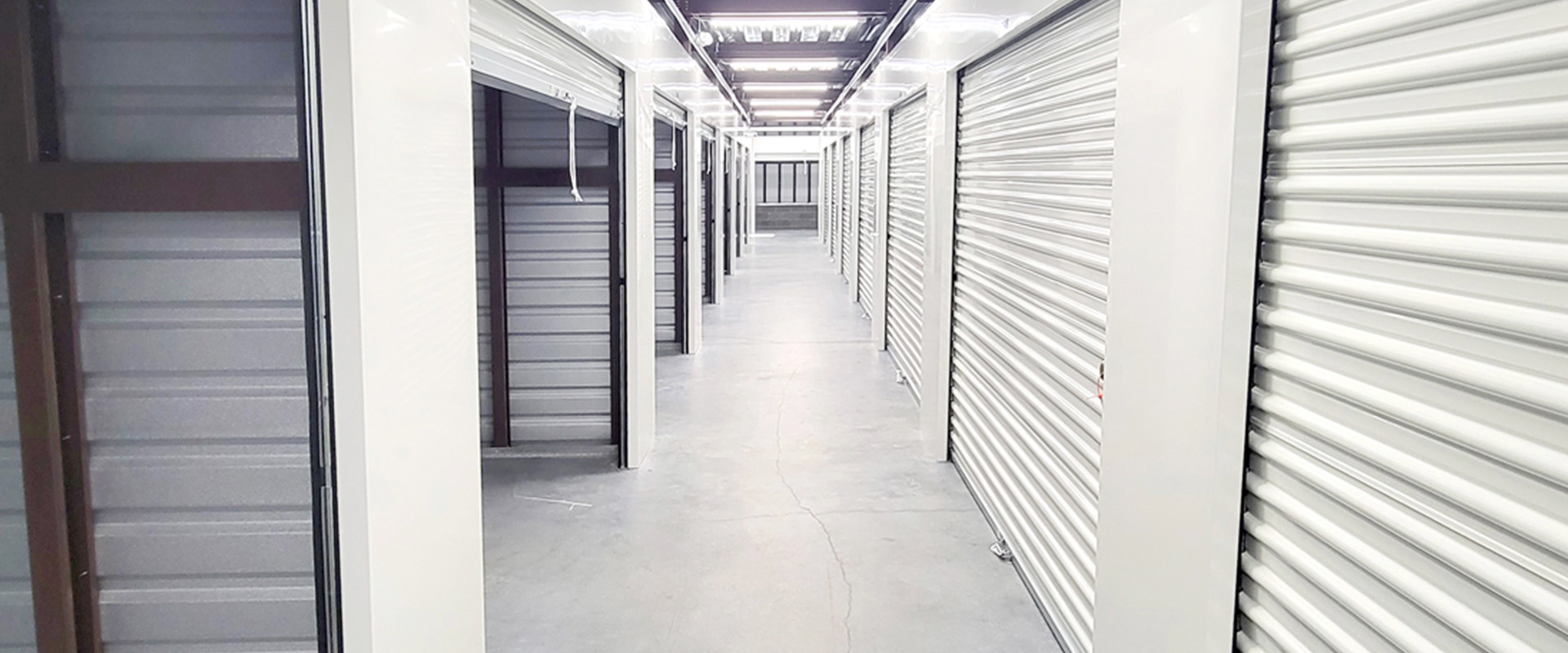
Despite the best packing tips and organization, you might have more belongings than space in your new home. Renting a storage unit provides an excellent solution during a move. It provides a place to keep items that won’t fit in your new home right away, reducing the risk of damage during multiple moves.
Portable containers allow easier loading at your convenience, alleviating stress on moving day. Armored Self Storage units are specifically designed to accommodate your needs when space is limited. It offers a seamless moving experience and peace of mind.
A storage unit saves space in your new home and ensures safe storage for all belongings. It’s a practical solution that makes the moving process more manageable and less stressful.